Calm Modules for Real-Life Habits

Shared work on food routines, built without extremes.

Module Grid: What We Focus On

Practical guidance built on dialogue and shared responsibility.

Daily Rhythm

Steady meal timing that fits your life, without rigidity. Food routines that adapt to your schedule.

Food Choices

Clear, calm guidance on selecting foods that support balance. No lists to memorise—just practical principles.

Portion Sense

Understanding what feels right for your body and life. Intuitive, not obsessive, approach to quantities.

Habit Building

Small, steady changes that last. Routines built on understanding, not willpower alone.

Shared Work

This is a conversation. Your feedback, observations, and needs shape the process together.

Gentle Adaptation

Approaches that evolve as your life changes. Flexibility without starting from scratch each time.

Examples: Everyday UK Scenes

Practical nutrition work in real settings.
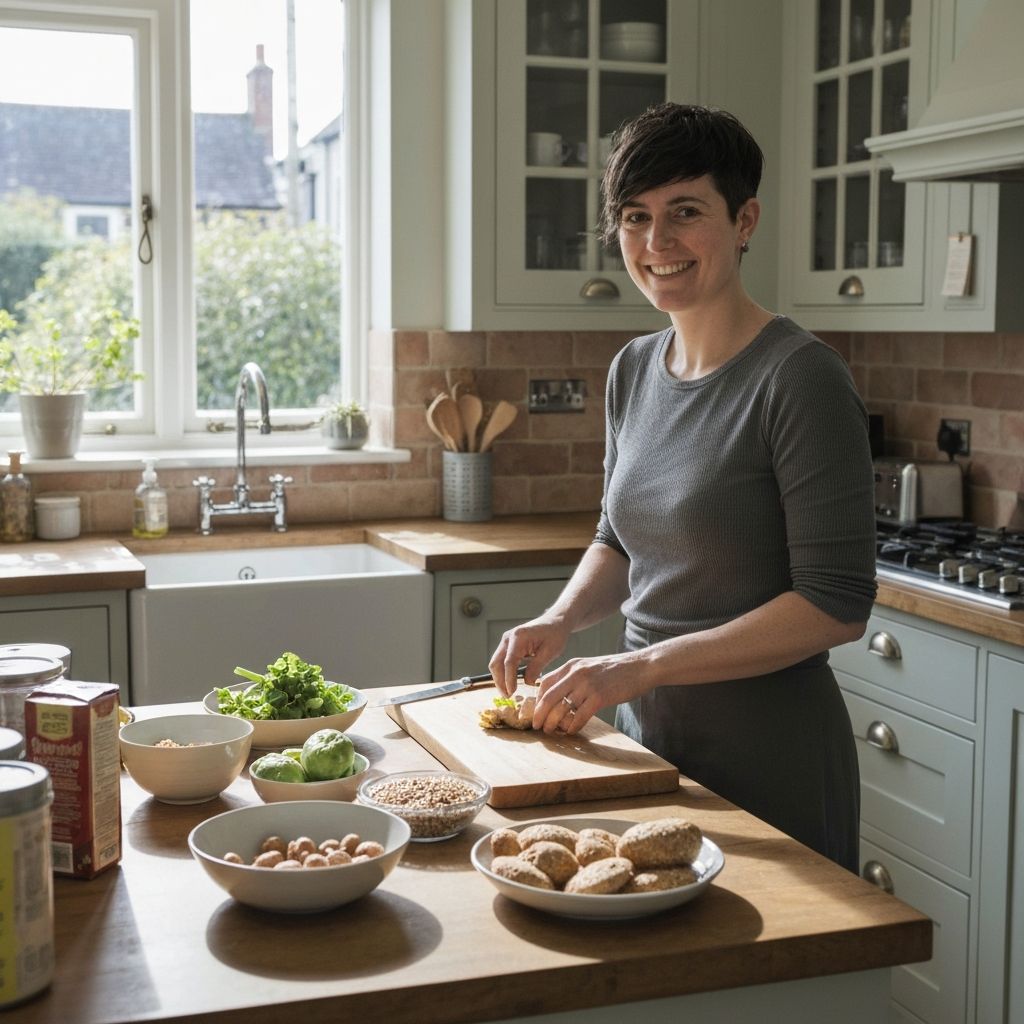
A person preparing a simple, nourishing lunch at home with fresh ingredients.

Preparing Lunch at Home

Taking time to prepare food mindfully, choosing ingredients that nourish. This simple act builds awareness of what you're eating and why.

A person writing a shopping list at a kitchen table, organised and calm.

Planning Your Shop

Writing a shopping list helps you move through the supermarket with intention. It's a moment to reflect on what will support your week ahead.

A person thoughtfully browsing a supermarket aisle, selecting healthy items.

Making Choices at the Supermarket

Food selection becomes a conversation between your goals and real life. No shame, just steady choices that align with what matters to you.

A person enjoying a relaxed lunch at a café, peaceful and present.

Café Moments

Eating out needn't be stressful. Understanding how to navigate café menus and social eating is part of real-life nutrition work.

People sharing dinner together at a table, a calm and connected moment.

Sharing Dinner

Eating with others is a core part of food culture. Shared meals build connection and provide natural opportunities to observe your food habits.

Workday Meals: Simple Structure

A framework that works, without perfection.

Breakfast

Start the day with something that settles your appetite. Include protein, a carbohydrate, and ideally something with fibre.

Mid-Morning

If needed, a small snack. This is individual. Some people work well with something here; others don't need it.

Lunch

A proper meal, even at your desk. Protein, carbohydrate, vegetables, and healthy fat. Time to pause and eat, not rush through.

Afternoon

Another small snack if your day is long. Tea, coffee, and food can both help you through the afternoon slump.

Evening Meal

Dinner, or a substantial evening meal. Take time with it. Notice how different foods affect your sleep and next-day energy.

Evening Routine

If you eat after dinner, reflect on it. Is it hunger? Habit? Emotion? Understanding this matters more than restricting it.

Snack Structure: Calm, Not Restrictive

Snacking is not failure. It's part of eating well.

Purposeful Snacking

Notice what a snack is for. Energy dip? Genuine hunger between meals? Social eating? Emotional comfort? Each answer is valid.

Snack Balance

When you eat a snack, include protein or fat alongside a carbohydrate. This steadies your blood sugar and keeps you satisfied longer.

Timing

Snacks between meals are different from grazing through the day. Understanding the difference helps you make conscious choices.

Quality and Quantity

Snacks matter. A handful of nuts, fruit with yogurt, hummus and vegetables—small, real foods that nourish.

No Rules

You're not 'bad' for snacking. You're human. The work is understanding your patterns without judgment.

Reflection

After a snacking pattern changes, pause. What shifted? Your hunger? Your mood? Your routine? These insights matter.

About Us

Nutrition work through partnership and shared responsibility.

Vapourstudioac is an advisory blog focused on practical nutrition guidance for UK-based individuals. We believe that lasting change in food habits comes through dialogue, not dictation.

We work on the principle that nutrition is a shared process. You bring your life, your challenges, your observations. We bring structure, clarity, and honest guidance. Together, we build routines that fit your reality, not a template.

Our approach emphasises steady adaptation over extremes. We don't promise transformation. We offer partnership in understanding how food choices connect to your wellbeing, energy, and the everyday life you actually live.

This is not medical advice. We do not diagnose, treat, or prescribe. We offer practical, evidence-informed guidance on everyday eating habits, meal structure, and the routines that support calm, balanced food choices.

The Process

How we work together, step by step.

Clarify
Observe
Adjust
Support
Review

Clarify: We understand your current food habits, your goals, and what matters to you. No assumptions, just questions and listening.

Observe: You pay attention to what's happening. How do you feel after certain foods? When do you snack? What does a good day look like?

Adjust: Based on what you've noticed, we suggest small changes. One at a time. Manageable. Real.

Support: You're not alone in this. We're here to help you navigate challenges, celebrate progress, and problem-solve together.

Review: We step back and reflect. What's working? What needs tweaking? This cycle continues, always responsive to your changing life.

Weekly Reset + Reflection

A routine to anchor your week and review your patterns.

Each week, set aside time to pause and reflect. Answer these five questions honestly. There are no right answers—only your truth.

  1. Energy and rhythm: How did my energy feel this week? Did my meal timing support or disrupt it?
  2. Food choices: What foods made me feel good? What choices am I proud of?
  3. Challenges: Where did I struggle? What made it hard? What do I need support with?
  4. Patterns: Did I notice anything new about my eating habits? Stress? Routine? Emotions?
  5. Next steps: What's one small thing I want to focus on next week?

Write these down. Over time, your answers reveal patterns. Patterns show you where real change is possible.

Get in Touch

We'd love to hear from you. Reach out with questions, feedback, or to start the conversation.

Thank you for getting in touch. We'll respond as soon as we can.
This form is for information and feedback only. We do not sell directly or collect data for external use. Your email will only be used to respond to your enquiry.

Vapourstudioac

52 Cornmarket Street
Oxford OX1 3HJ
United Kingdom

Phone: +44 1865 748 291
Email: [email protected]